
Public threat. Data loss lurks even in seemingly safe places
2019-12-28 | 2 min Cyber Security
Are you going skiing in the winter or somewhere where the weather is summery? Think about the security of your smart devices. The National Cyber Incident Response Unit warns of an increase in the number of cases of so-called juice jacking.
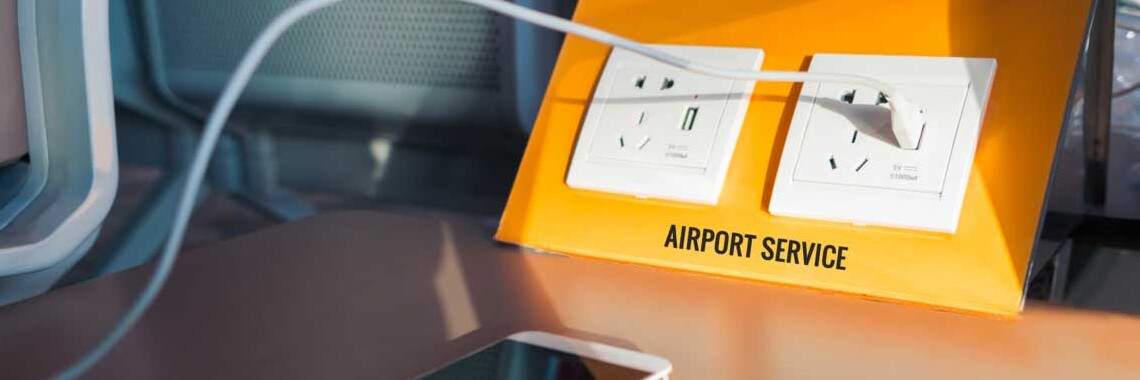
This is a widespread fraudulent attempt to obtain private data in public places and areas typical for tourism (airports, train or bus stations, shopping centers, etc.). Attackers have started installing virus mechanisms in publicly accessible charging stations.
First cases in the USA
Several cases have been revealed in the case of installing a virus in USB ports for charging smartphones or laptops at airports, train stations, or hotels. The US District Attorney's Office in Los Angeles was the first to issue a warning about the attacks.
Malicious software, or malware, installed in public chargers for smart devices usually steals data or irreversibly damages the device after the attack.
A scam called "juice jacking" sometimes goes unnoticed by the victim of the attack. Her device leaves the waiting room at the airport or station infected and the virus spreads further. The result is data loss or blackmail with the threat of destroying the functionality of the device. Toxic software is even able to infect not the device itself directly, but the cable and a small part of the device used for charging.
Not only electricity
For a USB power cable, the ability to transfer electricity is actually only a secondary task. The bulk of the capacity is used to transfer data. And this is what the attacker uses when charging the device.
Slovak authorities recommend that travelers consider investing in protective devices for USB cables that prevent accidental data exchange when the device is connected to another device using a USB cable.
Your own cable, in private
Protective devices work by allowing the cable to transfer only electrical energy, not data.
The recommendations of the National Cyber Incident Response Unit say, for example, that it is more appropriate to use a power outlet for charging, not USB ports. It is advisable to use only your own cables to charge phones or portable smart devices.
If the situation allows, use a power bank or a car electrical outlet.
We thank the SK-CERT portal for the recommendation.
If you are interested in the topic of IT Security, you can find more information on this page.


